
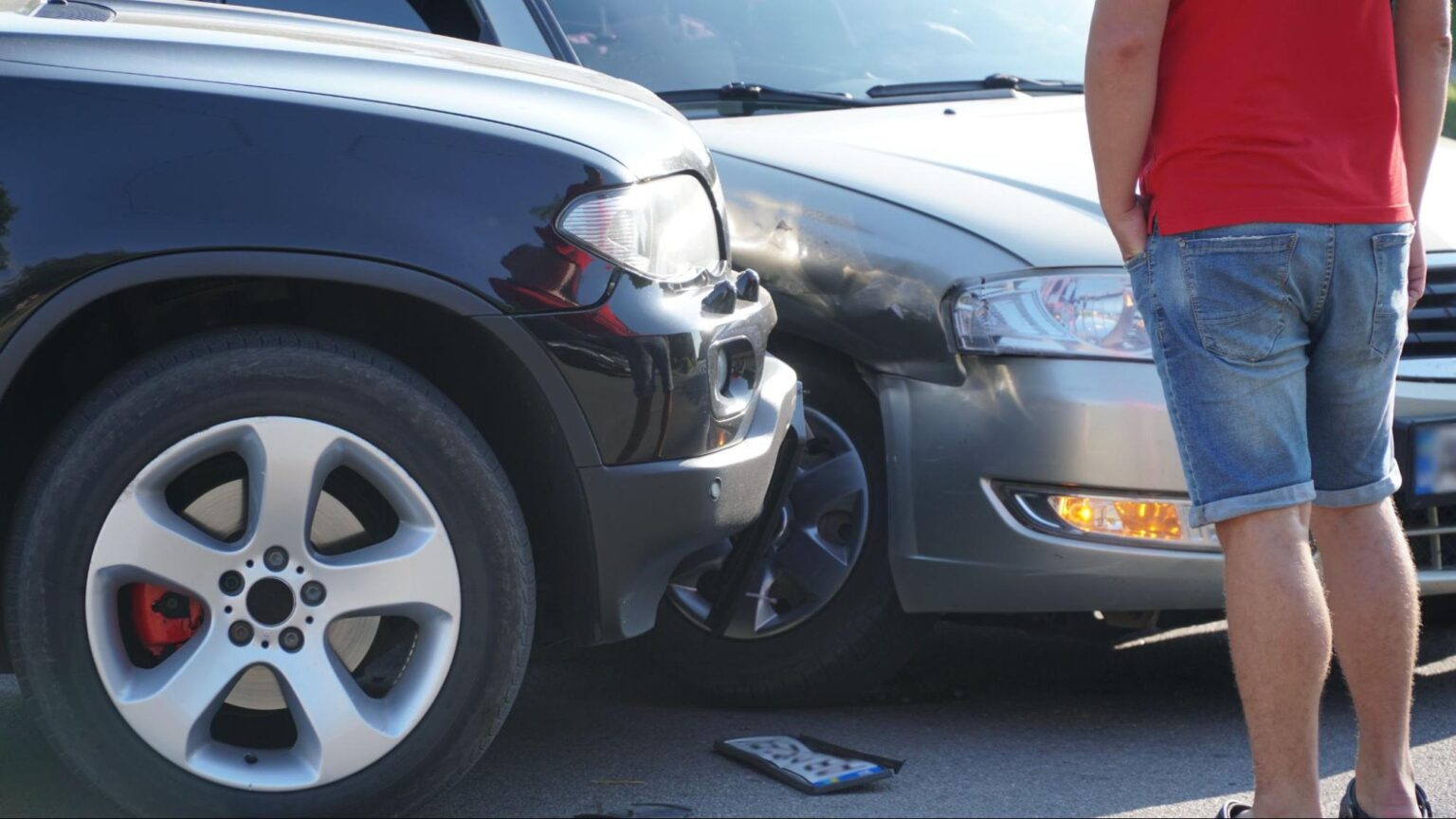
December marks the start of Florida’s busiest driving season. As visitors escape colder states and seasonal residents return, roadways across Miami, Tampa, Orlando, and Tallahassee become more congested and unpredictable.
While Florida’s winter weather may feel mild, the increase in traffic volume leads to a noticeable spike in serious car accidents.
Understanding the most common causes of car accidents during this time of year can help drivers stay alert. It can also help injured victims recognize when another driver’s negligence may justify a personal injury claim.
Why December Is a High-Risk Month for Florida Drivers
Florida does not deal with snow or ice, yet winter remains one of the most dangerous driving seasons. The risk increases for several reasons:
- A large influx of out-of-state drivers unfamiliar with Florida roads
- Higher congestion near airports, beaches, shopping centers, and attractions
- Increased holiday distractions and alcohol-related driving
- Shorter daylight hours that reduce visibility during peak traffic times
Cities like Orlando and Miami see a sharp rise in rental vehicles, while Tampa and Tallahassee experience heavier commuter and highway traffic as schools, government offices, and events remain active.
The Most Common Causes of Winter Car Accidents in Florida
Distracted Driving During the Holidays
Holiday travel often leads to distracted driving. Drivers rely heavily on GPS, take phone calls, send messages, or search for destinations while navigating unfamiliar roads. Even a few seconds of distraction can cause rear-end collisions or intersection crashes.
In busy areas like Downtown Miami or International Drive in Orlando, distracted driving is one of the leading causes of accidents during December.
Drunk and Impaired Driving
Holiday celebrations increase the risk of alcohol-related crashes. Office parties, family gatherings, and nightlife contribute to impaired driving incidents across Florida.
According to Florida traffic data, DUI-related crashes consistently rise in December, particularly on weekends and late evenings. This risk is especially high in entertainment districts throughout Tampa and Miami.
Failure to Yield at Intersections
Intersection accidents surge during winter months. Many drivers fail to yield while making left turns or entering busy roadways.
T-bone accidents are especially common at intersections in Orlando and Tallahassee, where traffic patterns may be unfamiliar to visitors. These crashes are often severe due to limited side-impact protection.
Speeding in Congested Traffic
Drivers attempting to make up time often speed through congested roads. However, speeding reduces reaction time and increases the severity of injuries when a crash occurs.
On major roadways such as I-75 near Tampa or I-95 in South Florida, speeding remains a significant contributor to serious winter accidents.
Aggressive Driving and Road Rage
Heavy traffic leads to frustration. Tailgating, unsafe lane changes, and running red lights are all signs of aggressive driving that peak during the holiday season.
Aggressive driving incidents increase dramatically in high-traffic corridors throughout Miami and Orlando, where congestion can test even patient drivers.
Driver Inexperience and Rental Vehicles
December brings a large number of drivers who are unfamiliar with Florida traffic laws, road layouts, and vehicle handling. Rental cars add another layer of risk, as drivers may not be comfortable with braking systems or blind spots.
This is particularly common near airports, resorts, and tourist areas across Florida.
Poor Vehicle Maintenance Before Long Trips
Visitors often drive long distances without properly inspecting their vehicles. Tire blowouts, brake failures, and mechanical issues can lead to sudden loss of control.
Even Florida residents sometimes overlook vehicle maintenance before holiday road trips, increasing accident risks statewide.
Why T-Bone Accidents Are Especially Dangerous in Winter Traffic
Side-impact collisions are among the most dangerous types of car accidents. These crashes often occur at intersections when a driver runs a red light or fails to yield.
In cities like Tampa and Tallahassee, T-bone accidents are common during peak travel hours. Vehicle sides offer minimal protection, which increases the likelihood of traumatic brain injuries, spinal damage, and internal injuries.
Florida Laws That Affect Winter Car Accident Claims
Florida’s No-Fault Insurance System
Florida drivers must first rely on Personal Injury Protection coverage, which pays up to $10,000 in medical expenses regardless of fault. However, serious injuries may allow victims to pursue a claim against the at-fault driver.
Comparative Negligence Rules
Florida follows a modified comparative negligence rule. If you are found more than 50 percent at fault, you cannot recover compensation. This makes proper investigation and legal guidance critical, especially in multi-vehicle or intersection crashes.
How Legal Support Can Be Helpful After a December Collision
Crashes that occur in December often involve more complexity than they first appear. Heavier traffic, unfamiliar drivers, rental vehicles, and commercial traffic can all make it harder to clearly understand how a crash happened and who may be responsible.
Legal guidance can be useful in these situations by helping to:
- Review how the incident occurred, including traffic conditions, crash reports, and vehicle damage
- Clarify responsibility when more than one party may share fault, such as drivers using rental cars or operating commercial vehicles
- Manage communication with insurance providers, especially when responses are delayed or fault is disputed
- Assess the full impact of injuries, including medical treatment, time away from work, and longer-term effects
- Protect important deadlines, ensuring required timelines under state law are not missed
When insurance discussions do not lead to a reasonable resolution, having representation can also help preserve options moving forward.
Closing Perspective on December Traffic-Related Injuries
Although winter weather in Florida is generally mild, December brings conditions that increase the likelihood of serious roadway incidents.
Increased congestion, changes in driving routines, distracted driving, and seasonal social activity all contribute to a rise in rear-end, side-swipe, and intersection crashes across cities such as Miami, Tampa, Orlando, and Tallahassee.
Understanding the factors behind these wintertime collisions helps drivers remain more aware on the road. For those who are injured, it also helps identify when another driver’s actions may have contributed to the outcome.
Where to Turn After a December Traffic Collision
After a serious roadway incident, many people are left managing medical care, missed work, and unanswered insurance questions. Having clear information early can help reduce uncertainty during recovery.
If you or a loved one was hurt in a December crash and would like to discuss next steps, you can call 844-324-HURT to speak with a team familiar with accident patterns, insurance processes, and required timelines. Taking action sooner can help you make more informed decisions moving forward.
Why Choose 844-324-HURT After a Car Accident During the Holiday Season
After a holiday car accident in Florida, having the right legal support can prevent costly mistakes and protect your health, finances, and long-term recovery.
When you reach out to 844-324-HURT, you’re immediately connected to experienced Florida attorneys who understand how holiday travel, tourist traffic, and local insurance practices affect car accident claims.
- Local expertise in Florida’s no-fault system
- Familiarity with Miami-Dade, Broward, Palm Beach, and major tourist zones
- Protection from insurance company strategies
- Clear explanations of your options and your legal rights
- No upfront fees – you only pay if your case is settled
- 24/7 availability for urgent questions
FAQs About Florida Car Accidents in December
Why do car accidents increase in Florida during December?
December brings a noticeable shift in traffic conditions across the state. Higher vehicle volume, increased distractions from shopping and seasonal activities, alcohol consumption at social gatherings, and fatigue all contribute to more roadway incidents. In addition, many drivers are operating outside their usual routines, which increases the likelihood of errors that lead to collisions.
Are tourists often responsible for winter car accidents in Florida?
Visitors play a role in many December crashes, particularly in areas with heavy tourism such as Orlando and Miami. Drivers unfamiliar with local roads, traffic flow, and intersection layouts may rely heavily on GPS navigation, leading to sudden stops, missed exits, or improper lane changes. These factors increase risk, especially on busy urban roads.
What injuries are common in winter car accidents?
Injuries from December collisions range from mild to severe. Common examples include whiplash and other soft tissue injuries, fractures, head injuries, spinal trauma, and internal organ damage. Some injuries may not be immediately noticeable and can worsen over time, which is why medical evaluation is important even when symptoms seem minor.
Should I contact a lawyer even if the accident seems minor?
Even incidents that appear minor can lead to injuries that develop gradually, such as neck or back issues. Insurance companies may also minimize claims when damage seems limited. If you have questions or concerns about next steps, you can call 844-324-HURT to get clear information about your options and timelines before making any decisions.
Can I file a lawsuit after a Florida car accident?
In certain situations, yes. When injuries are serious and exceed the limits of no-fault insurance coverage, it may be possible to pursue a claim against the at-fault driver. Whether legal action is appropriate depends on factors such as injury severity, available insurance, and how the crash occurred.
What if I was partially at fault for the accident?
Florida follows a modified comparative negligence rule. This means an injured person may still recover compensation as long as they are not found to be more than 50 percent responsible for the incident. Any recovery may be reduced based on the percentage of fault assigned.
How long do I have to file a car accident claim in Florida?
Florida law allows two years from the date of the crash to pursue a personal injury lawsuit. Waiting too long can limit available options, especially if evidence becomes harder to gather or injuries evolve over time. Specific circumstances can affect deadlines, so timing matters.
How can 844-324-HURT help personal injury victims after a car accident?
844-324-HURT connects personal injury victims with experienced Florida attorneys who handle car accident and injury cases. These lawyers can review your case, explain your rights, handle insurance negotiations, and help you pursue fair compensation for your injuries and losses.



 ES
ES  EN
EN