

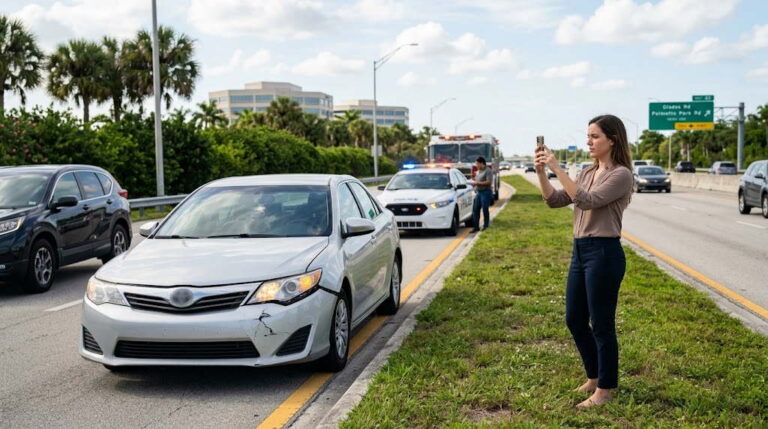
Getting into a car accident is universally traumatic. However, when your children are strapped into the back seat, that baseline stress elevates to an entirely new level.
Whether you are navigating the busy I-4 corridor in Orlando, dealing with heavy traffic in Miami, or driving through suburban Jacksonville, Florida roads present daily hazards.
As an expert referral network, we know that children process physical trauma differently than adults. Their bodies and brains are still developing. Consequently, the steps you take in the immediate aftermath of a collision require specialized medical and legal knowledge.
Here is a deep dive into the exact medical, legal, and safety protocols Florida parents must follow after an auto accident involving minors.
The Medical Reality: Pediatric Injuries vs. Adult Injuries
When an accident occurs, a child’s body does not react the same way an adult’s body does. Because children have skeletal structures that are still largely composed of cartilage, their bones are more flexible.
While this means they might not suffer fractures as easily, it also means that the kinetic energy of a crash is transferred directly to their internal organs and soft tissues.
Furthermore, young children and infants simply lack the neurological development and vocabulary to articulate localized pain. Therefore, parents must rely on clinical evaluations rather than asking their child if they feel okay.
Recognizing “Silent” Neurological Symptoms
Adrenaline masks pain for hours or even days. Instead of waiting for a child to complain about a headache or neck stiffness, parents should actively monitor for neurological red flags.
Specifically, you should watch for:
- Altered crying patterns: A high-pitched, unusual cry in infants can indicate increased intracranial pressure.
- Regression in milestones: A toddler suddenly losing the ability to walk steadily or regressing in potty training can signal a traumatic brain injury (TBI) or spinal trauma.
- Persistent lethargy: If your child is unusually sleepy or difficult to wake up, this is an immediate medical emergency.
- Digestive issues: Unexplained vomiting or a sudden refusal to eat can indicate internal abdominal distress caused by lap belts.
Florida’s 14-Day PIP Rule and Your Child’s Health
From a legal and financial perspective, time is of the essence in Florida. Florida operates under a No-Fault insurance system, which includes Personal Injury Protection (PIP) coverage.
Crucially, the law requires that anyone injured in a crash must seek initial medical care within 14 days of the accident.
If you fail to get your child evaluated by a qualified medical professional within this strict two-week window, you forfeit up to $10,000 in PIP medical benefits per person. Consequently, waiting to see if symptoms resolve on their own is a massive financial and medical risk.
Do Not Risk Your Child’s Health or Your Benefits
Finding a doctor who understands both pediatric trauma and Florida PIP billing is challenging. Call 844-324-HURT today.
We specialize in connecting Florida families with vetted, highly qualified medical clinics that know exactly how to evaluate pediatric injuries and properly document them for your insurance claim.
The 844-324-HURT Difference: Complete Protection for Your Family
Managing property damage claims, dealing with aggressive insurance adjusters, and scheduling specialized pediatric care is a full-time job.
Doing all of this while trying to comfort a traumatized child is nearly impossible.
This is exactly why 844-324-HURT operates differently from a standard personal injury law firm. We are a comprehensive referral network designed to manage the entire ecosystem of your recovery.
Here is how our unique model protects your family:
- Specialized Medical Matching: We bypass generic urgent care centers. Instead, we match your family directly with trusted Florida doctors who specialize in auto accident trauma and understand how to identify hidden pediatric injuries.
- Vetted Legal Representation: Once your child’s medical needs are secured, we connect you with an elite personal injury attorney in your specific Florida city. These lawyers have proven track records of fighting for families and maximizing settlements to cover future medical needs.
You already have enough on your plate as a parent. Your sole focus should be on your child’s emotional and physical recovery.
Let the Experts Handle the Heavy Lifting
If your family has been involved in a crash anywhere in Florida, do not navigate the complex medical and legal hurdles alone.
Dial 844-324-HURT immediately. Our dedicated team is standing by to connect you with the exact medical and legal experts your family needs to heal safely and securely.
Prioritizing Your Family's Future After a Crash
Surviving a car accident with your children is a terrifying experience that disrupts your entire life. However, taking swift and informed action can protect both their physical health and your financial stability.
By understanding the unique nature of pediatric injuries, adhering strictly to Florida’s 14-day PIP rule, and replacing compromised car seats, you set the foundation for a full recovery.
Most importantly, remember that you do not have to carry this heavy burden by yourself. The 844-324-HURT network is built precisely for moments like this. We are here to bridge the gap between trauma and healing by connecting you with the right medical experts and legal advocates in Florida. Focus on comforting your children, and let our dedicated network handle the rest.
FAQs: What Every Florida Parent Must Know If a Child is in a Car Accident
Should I discuss my child's health with the at-fault driver's insurance adjuster?
Generally, you should decline to speak with the other driver’s insurance company about your child’s medical condition. Insurance adjusters are trained to ask leading questions. Consequently, they might use an innocent comment, like saying your child “slept fine last night,” to argue that your child is not actually injured. Instead of risking your claim, it is always best to let a qualified attorney communicate with the insurance company on your behalf.
How does Florida law handle personal injury settlement money for minors?
Because children under 18 cannot legally manage large sums of money, Florida has strict laws regarding pediatric injury settlements. If your child receives compensation for their injuries, the court typically requires those funds to be placed into a restricted guardianship account or a structured settlement annuity. Ultimately, this legal mechanism ensures the money is preserved safely until your child reaches adulthood or needs it for specific medical care.
How should I handle my child's absence from school or sports after a collision?
Communication with your child’s teachers and coaches is essential, but it must be backed by medical documentation. Even if your child feels ready to play, returning to physical education classes or sports too quickly can severely worsen soft tissue injuries. Therefore, you must obtain a detailed doctor’s note outlining specific physical restrictions. The medical providers in the 844-324-HURT network will automatically supply you with all the necessary paperwork to ensure your child’s school accommodates their recovery period.
What is the best way to talk to my kids about the accident to ease their fears?
Children are incredibly perceptive and will easily pick up on your stress. Therefore, it is important to keep conversations about the crash simple, honest, and reassuring. Focus the discussion on the fact that the scary event is over and that they are safe now. Additionally, make a conscious effort to avoid discussing property damage, financial worries, or legal battles in front of them. Let the experts at 844-324-HURT handle the stressful logistics so you can maintain a calm, positive environment at home for your family.




 ES
ES  EN
EN