

Holiday travel in Florida is beautiful, but it’s also one of the busiest and most dangerous times of the year.
Thanksgiving week brings long road trips, late-night family gatherings, college events, and a huge spike in tourist traffic.
Data from the Florida Department of Highway Safety and Motor Vehicles (FLHSMV) shows that accidents increase during holidays because of distracted driving, speeding, rentals driven by visitors, and unfamiliar roads.
Yet most people still make the same mistakes after a crash. These errors can delay compensation, increase medical costs, or even weaken your legal case.
This guide breaks down what not to do, what your rights are, and practical examples so drivers, tourists, students, and families can stay protected.
What People Get Wrong After a Car Accident in Florida
1. Leaving the Scene Too Quickly
Many drivers panic or feel embarrassed after a crash, especially during the holiday season when traffic is stressful.
Some people assume that if a car only has a small dent or scratch, it’s safe to leave without speaking to law enforcement.
However, Florida law requires drivers involved in an accident to stay at the scene, assess injuries, exchange information, and wait for authorities if the crash involves injuries or property damage.
Leaving early creates two serious problems:
- First, it prevents you from documenting the scene correctly, which insurance companies need.
- Second, injuries often appear hours or days later. Without a police report, it becomes harder to prove what happened.
Real example:
A family leaving a Thanksgiving reunion in Kendall gets lightly rear-ended. They think everything is fine, decide not to wait for the police, and go home.
Two days later, the driver develops neck pain and files a claim. Without an accident report, the insurance company questions whether the injury actually came from the crash.
What you should do instead:
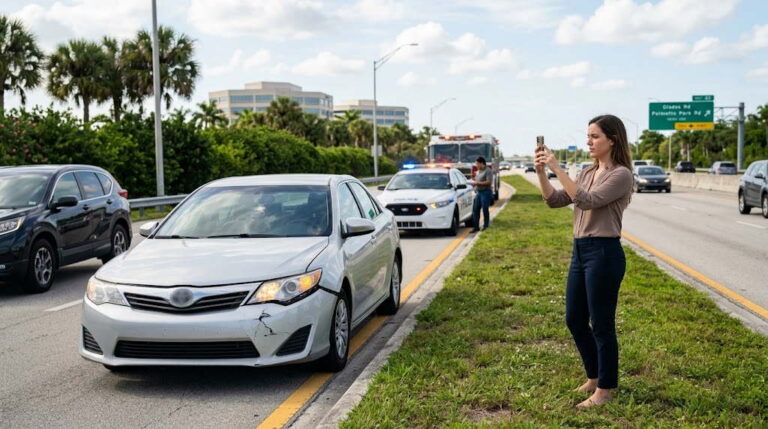
Stay at the scene. Take a deep breath. Turn on your hazard lights, check for injuries, take photos, exchange insurance information, and wait for authorities.
Proper documentation protects you legally and medically.
2. Not Calling the Police
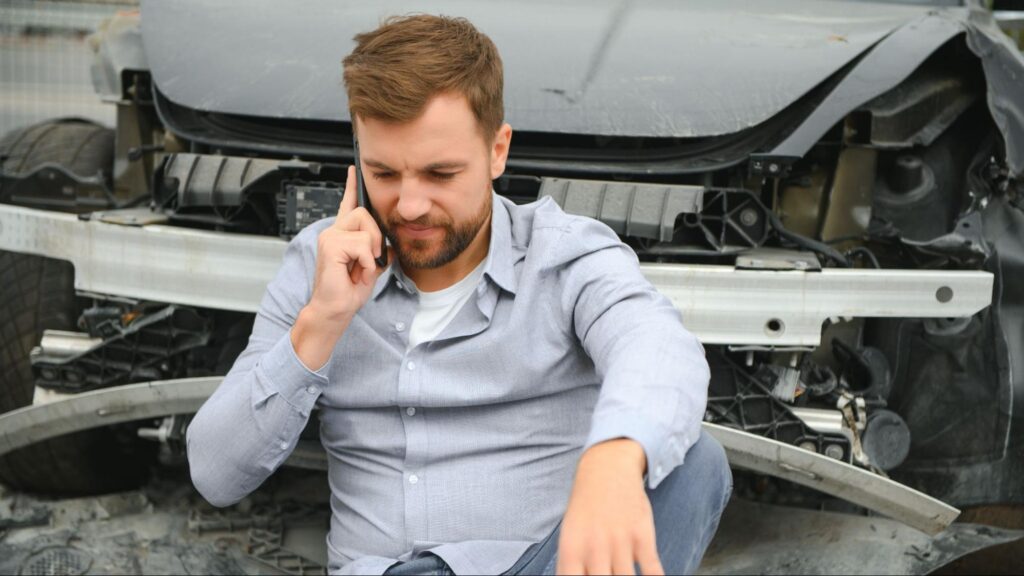
Even in small fender benders, many drivers assume they don’t need to call law enforcement.
This happens often in crowded areas like South Beach, Brickell, or popular tourist spots where everyone feels rushed. But skipping this step is one of the biggest mistakes drivers make.
A police officer doesn’t just “write a report.” They document who was involved, collect statements, note visible injuries, and sometimes identify who caused the crash.
Their official report becomes valuable proof if the insurance company disputes your claim later.
Real example:
A tourist in Miami Beach driving a rental car gets sideswiped. They don’t call the police because they’re worried about rental fees or dealing with paperwork.
When they return the rental, the company charges them for “undocumented damage.” Without a police report, it becomes difficult to challenge those charges.
Why calling the police matters:
A report strengthens your claim, protects you from false allegations, and ensures accurate documentation of injuries and damages.
3. Admitting Fault or Saying Too Much
After a crash, many people feel guilty, nervous, or surprised.
It’s natural to say things like “I’m sorry,” “I didn’t see you,” or “It was my fault” even when you don’t fully understand what happened. These statements are dangerous.
Insurance companies may use your words to deny or minimize your claim. Even if the other driver caused the accident, an accidental apology or assumption of fault may weaken your case.
Real example:
A college student driving home from a Friendsgiving event in Coral Gables says, “I’m so sorry, I didn’t see you” out of habit.
Later, dashcam footage shows the other driver ran a red light. Still, the student’s statement complicates the claim.
What to do instead:
Stay calm. Exchange information. Focus on facts only. Let investigators and attorneys determine fault.
4. Giving a Recorded Statement to Insurance
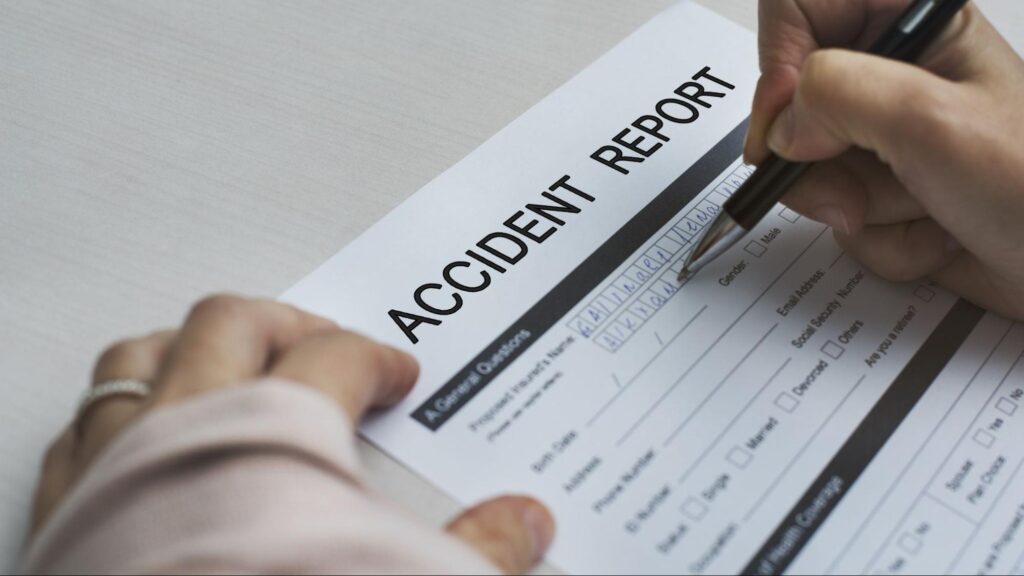
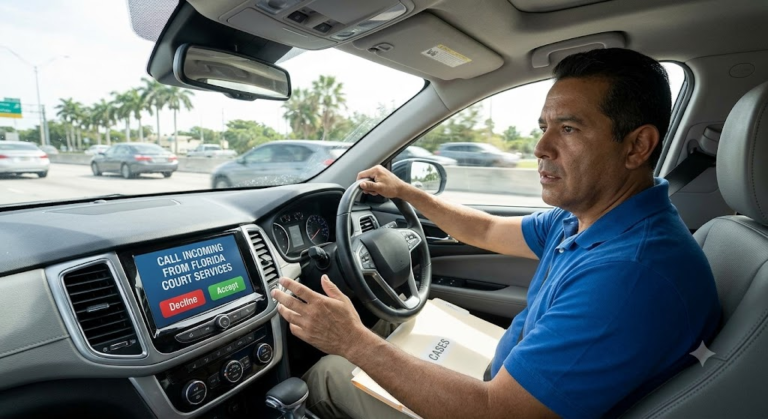
Insurance adjusters often contact drivers within hours of a crash, especially during holidays. They may sound helpful, but their priority is to reduce costs for the company.
Many people don’t realize they have no legal obligation to give a recorded statement to the other driver’s insurance company.
Recorded statements can be edited, interpreted out of context, or used to argue that your injuries were less severe. Insurers may also pressure you to sign medical authorization forms, giving them access to years of medical history unrelated to the accident.
Real example:
A driver heading to a holiday shopping event in Aventura Mall receives a call from the insurance company the next morning.
The adjuster requests a recorded statement “to speed up the process.” The driver agrees and unknowingly makes comments that the insurer later uses to limit medical coverage.
Correct approach:
Politely decline. You can say: “I’m not comfortable giving a statement right now.” Then speak to a local car accident attorney in Florida who can handle communications for you.
5. Not Getting Medical Attention Right Away
After a crash, many people rush home to continue holiday plans or decide they “don’t feel hurt enough” to visit a doctor.
Adrenaline can hide pain for hours or days, especially in cases of whiplash, concussions, and soft-tissue injuries.
Florida’s PIP law gives drivers 14 days to seek medical care. If you miss this window, your insurance may deny coverage for treatment.
Real example:
A tourist visiting Bayside Marketplace feels only mild discomfort after a crash. They skip the hospital visit, thinking it’s unnecessary.
A week later, severe back pain develops. When they file a PIP claim, it is denied because they didn’t seek care in time.
What to do:
Get checked by a doctor or urgent care as soon as possible. Documentation protects your health and your claim.
6. Not Gathering Evidence
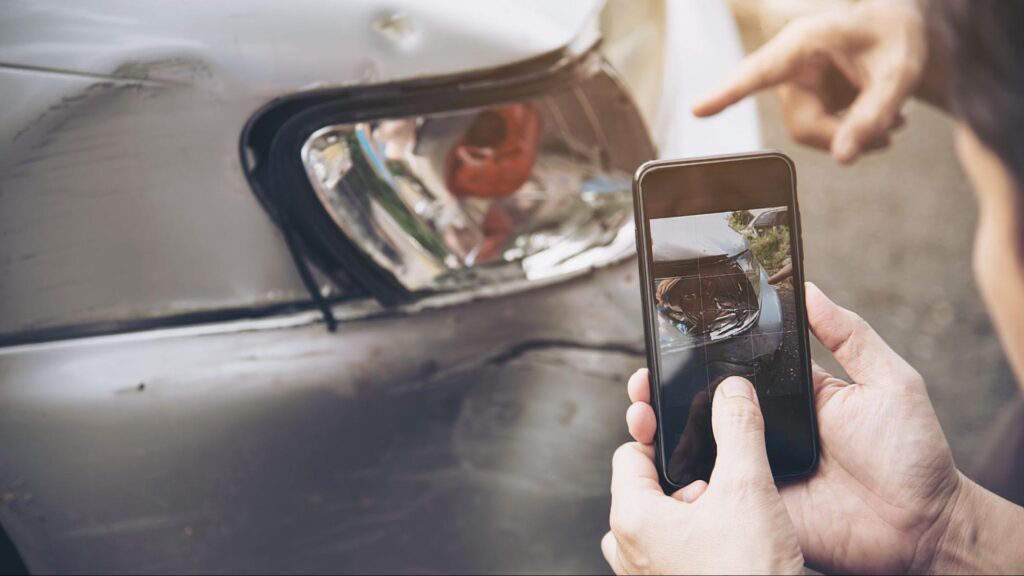
Accident scenes change quickly. Cars are moved. Weather shifts. Witnesses leave. Without evidence, proving what happened becomes harder.
Drivers often forget to take photos because they feel shaken or are rushing to holiday plans. But evidence creates a clear record for insurance adjusters and attorneys.
What to document:
- Vehicle damage (close-up and wide angles)
- Both license plates
- Road conditions (wet pavement, heavy traffic, sun glare)
- Traffic signs or missing signs
- Skid marks
- Weather conditions (Florida rainstorms come fast)
- Injuries to you and passengers
- Nearby businesses with cameras
- Statements or contact info from witnesses
Why this matters:
Photos and details can strongly support your version of events, especially when the other driver denies fault.
7. Accepting the First Settlement Offer
Insurance companies often make fast settlement offers, especially around holidays when people are busy and want the situation resolved.
These offers may seem convenient, but they rarely cover future medical treatments, therapy, lost wages, or long-term injuries.
Once you accept an offer, you cannot reopen the claim, even if complications appear later.
Real example:
A driver in Orlando accepts a quick $1,000 settlement after a holiday crash. A month later, they need physical therapy and diagnostic tests costing much more. Because they signed a release, they cannot request additional compensation.
What to do instead:
Have an attorney review any offer. A legal professional can calculate the true value of your injuries and losses.
8. Not Contacting a Local Florida Attorney

Florida’s legal system has unique rules, including PIP requirements, no-fault coverage, and specific deadlines.
A local attorney understands how insurance companies in Miami-Dade, Broward, and Orange County handle claims.
They also know the common holiday crash patterns in high-traffic areas like I-95, US-1, Brickell, Downtown Orlando, and tourist zones.
How an attorney helps:
- Handles insurance communication
- Prevents you from signing harmful documents
- Ensures you receive full medical benefits
- Calculates financial losses
- Negotiates fair settlements
- Protects tourists and out-of-state visitors
If you need help, you can contact 844-324-HURT for guidance.
Your Rights After a Car Accident in Florida (Holiday Traveler Edition)
Many drivers, tourists, and college students visiting Florida during the holiday season don’t realize the state has consumer protections designed to prevent people from being taken advantage of after a crash.
These protections exist so you don’t feel pressured, confused, or rushed into decisions that hurt your claim.
Here is what Florida law allows you to do, and how these rights help you avoid common holiday-season mistakes:
1. You have the right to protect your statement
You are not required to give a recorded statement to the other driver’s insurance company. This prevents misunderstandings or pressure from adjusters who try to move cases quickly during the busy season.
2. You have the right to choose your medical provider
You can visit any licensed doctor, urgent care, hospital, or chiropractor. Choosing your own provider ensures you receive unbiased care, which is especially important if injuries take time to appear.
3. You have the right to review documents before signing anything
Florida law does not require you to immediately sign medical releases or settlement agreements. This protects you from holiday-season “quick settlements” that do not cover long-term injuries.
4. You have the right to receive PIP benefits, even if you were partially at fault
Florida offers $10,000 in Personal Injury Protection to help cover medical bills, lost wages, and emergency care. This applies whether you are a resident, student, or tourist.
5. You have the right to pursue additional compensation
If your injuries are serious or long-lasting, you may be eligible to file a claim beyond PIP. This includes pain and suffering, future treatment, and vehicle repairs, expenses that often rise during the holidays when travel increases.
These protections exist so that you can make informed decisions, avoid common mistakes, and stay in control of your case.
Why Choose 844-324-HURT After a Car Accident During the Holiday Season
After a holiday car accident in Florida, having the right legal support can prevent costly mistakes and protect your health, finances, and long-term recovery.
When you reach out to 844-324-HURT, you’re immediately connected to experienced Florida attorneys who understand how holiday travel, tourist traffic, and local insurance practices affect car accident claims.
- Local expertise in Florida’s no-fault system
- Familiarity with Miami-Dade, Broward, Palm Beach, and major tourist zones
- Protection from insurance company strategies
- Clear explanations of your options and your legal rights
- No upfront fees – you only pay if your case is settled
- 24/7 availability for urgent questions
Protect Yourself and Avoid Mistakes After a Florida Holiday Accident
Holiday travel in Florida can be exciting, but it also brings crowded roads, distracted drivers, and unpredictable conditions.
If you’re involved in a car accident during the holiday season, the worst thing you can do is rush decisions, avoid medical care, or let insurance companies pressure you into choices that hurt your claim.
Slow down. Document everything. Know your rights. And don’t navigate the process alone.
Whether you’re a Florida resident, a college student, or a tourist visiting the state, professional guidance can make the entire experience less stressful and far more successful.
If you need help protecting your health, your finances, and your legal rights, contact 844-324-HURT. A local attorney can walk you through the next steps and make sure you get the fair compensation you deserve.
Frequently Asked Questions
What should I do first after a car accident in Florida?
After a crash, stay at the scene, check for injuries, call 911, exchange information, take photos, and request a police report. Florida law requires drivers to remain at the crash site and report injuries or significant damage. Getting medical care within 14 days protects your PIP benefits.
Should I give a recorded statement to insurance after a Florida accident?
No. You are not legally required to give a recorded statement to the other driver’s insurance company. These statements can be used against you. Politely decline and speak to a local car accident attorney first.
How long do I have to seek medical care after an accident in Florida?
Under Florida’s Personal Injury Protection (PIP) law, you must seek medical attention within 14 days to access your $10,000 in medical benefits. Treatment can be from a hospital, emergency clinic, chiropractor, or primary doctor.
What if I’m a tourist visiting Florida and get into a car accident?
Tourists have the same rights as residents. You can file a claim, receive medical treatment, and pursue compensation. Make sure you gather evidence, request a police report, notify your rental company, and consult a Florida attorney who understands out-of-state claims.
Should I accept the first settlement offer after a car accident?
No. Early offers are usually low and do not cover long-term medical needs, therapy, lost wages, or pain and suffering. Once you accept a settlement, you cannot ask for more. Always get a lawyer to review the offer.
How long does a car accident stay on my record in Florida?
Most accidents stay on a Florida driving record for 3 to 5 years, but serious crashes or citations may remain longer. Insurance companies use this record to calculate rates, so proper documentation and legal guidance can make a difference.
Do I need a lawyer even for a minor accident?
Legal advice helps protect you from unexpected medical bills, insurance pressure, or disputes over fault. Even small crashes can lead to injuries that appear days later. A consultation is usually free and can save time and money.
How can 844-324-HURT help personal injury victims after a car accident?
844-324-HURT connects personal injury victims with experienced Florida attorneys who handle car accident and injury cases. These lawyers can review your case, explain your rights, handle insurance negotiations, and help you pursue fair compensation for your injuries and losses.



 EN
EN  ES
ES