
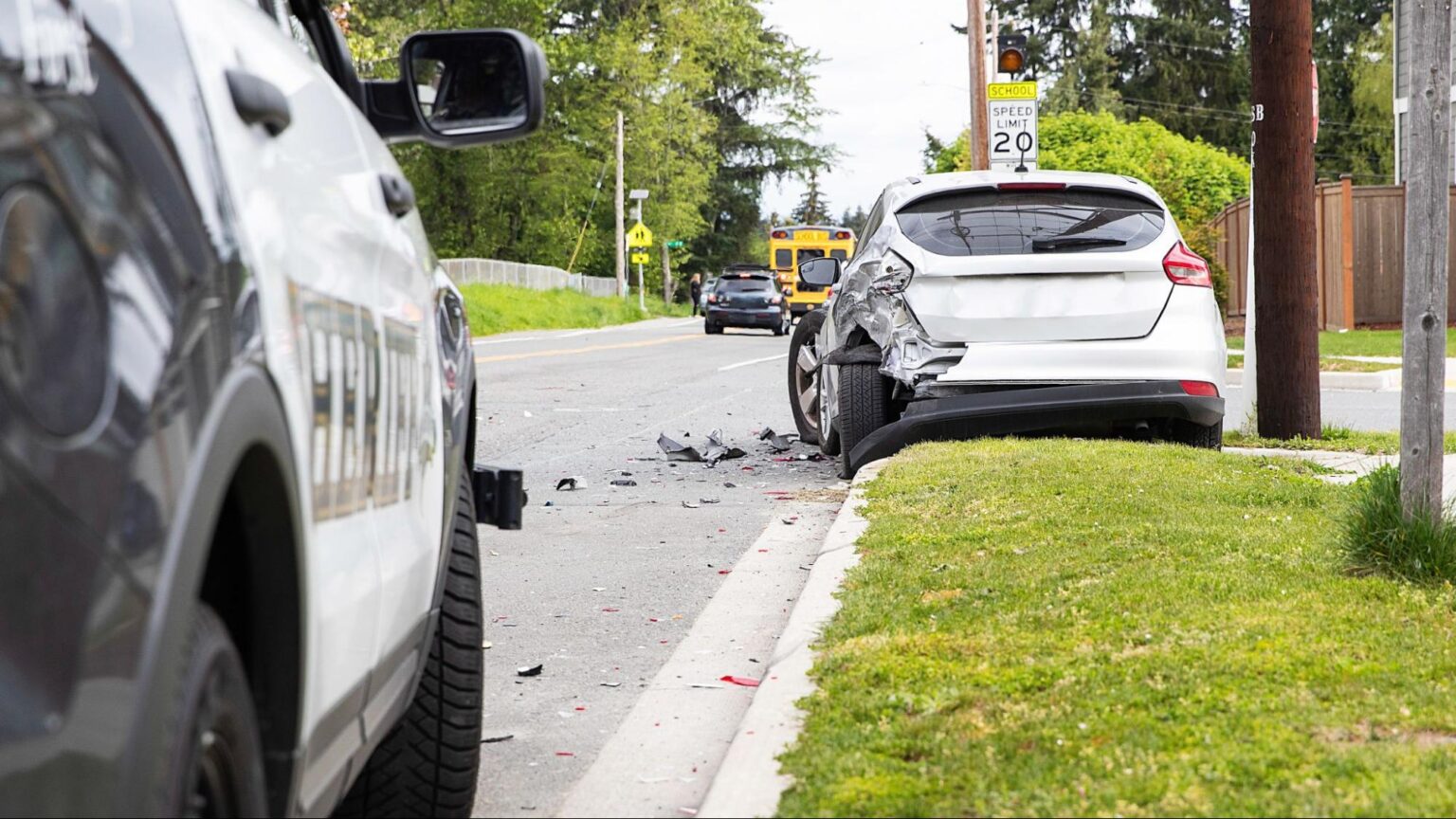
Car accidents happen every day across Florida. From heavy traffic in Miami and Fort Lauderdale to crowded highways around Orlando and Tampa, drivers constantly face conditions where one careless decision can lead to serious consequences.
However, after an accident, proving who was legally responsible is not always straightforward. Many people assume fault will be obvious.
In reality, insurance companies carefully examine every detail before accepting responsibility. That is why understanding how negligence is proven under Florida law can make a meaningful difference in protecting your rights.
What Negligence Means in a Florida Car Accident Case
In legal terms, negligence occurs when a driver fails to act with reasonable care and causes harm as a result.
Every driver in Florida has a duty to operate their vehicle safely. This includes:
- Following traffic laws
- Adjusting to weather conditions
- Maintaining control of the vehicle
- Paying attention to the road.
For example, even if a driver is traveling within the posted speed limit on I-4 in Orlando, driving too fast during a heavy rainstorm could still be considered negligent.
The law looks at whether the driver acted reasonably under the circumstances, not just whether they followed a sign.
To successfully prove negligence, four specific legal elements must be established.
The Four Elements Required to Prove Negligence
Although the concept may sound simple, each element requires evidence and documentation.
1. Duty of Care
The first step is establishing that the other driver owed you a duty of care. In Florida, this is generally clear because every licensed driver has a legal obligation to operate their vehicle safely and responsibly.
Whether driving through downtown Miami traffic or navigating Tampa’s highways, drivers must respect traffic signals, yield when required, and remain attentive.
2. Breach of Duty
Next, it must be shown that the driver breached that duty. A breach occurs when someone fails to act as a reasonably careful driver would under similar circumstances.
Common examples in Florida include:
- Running a red light at a busy Fort Lauderdale intersection
- Rear-ending another vehicle on I-95
- Texting while driving in downtown Orlando
- Failing to yield during a left turn in Miami
Evidence plays a major role here. Traffic citations, witness statements, dashcam footage, and accident reconstruction reports can all help demonstrate that the driver failed to meet their responsibility.
3. Causation
Causation is often the most disputed element. It must be proven that the driver’s breach directly caused the accident and resulting injuries.
For example, if a driver in Tampa is distracted by their phone and crashes into stopped traffic, the connection between distraction and collision may be clear. However, in multi-vehicle crashes or accidents involving poor weather, insurance companies may argue that other factors contributed.
Because Florida experiences sudden rainstorms and heavy traffic, especially during tourist season, establishing a direct link between careless behavior and the crash is essential.
4. Damages
Finally, there must be measurable damages. Even if negligence is clear, compensation requires proof of harm.
Damages may include:
- Medical expenses
- Lost income
- Vehicle repair or replacement costs
- Pain and suffering
Seeking medical care promptly is especially important. Delays in treatment can weaken the connection between the accident and your injuries, giving insurers room to question your claim.
How Florida’s Comparative Negligence Law Impacts Your Claim
Florida follows a comparative negligence system. This means fault can be shared between drivers, and compensation may be reduced according to each party’s percentage of responsibility.
For instance, if you are found 25 percent at fault for an accident in Orlando, your compensation would be reduced by that percentage. Because of this, insurance companies often attempt to shift partial blame.
Clear documentation and strong evidence can help prevent unfair fault assignments.
Evidence That Strengthens a Negligence Claim
Proving negligence depends heavily on evidence collected early.
Police reports provide an initial summary of the accident and may include citations or officer observations. While they do not determine fault on their own, they carry significant weight.
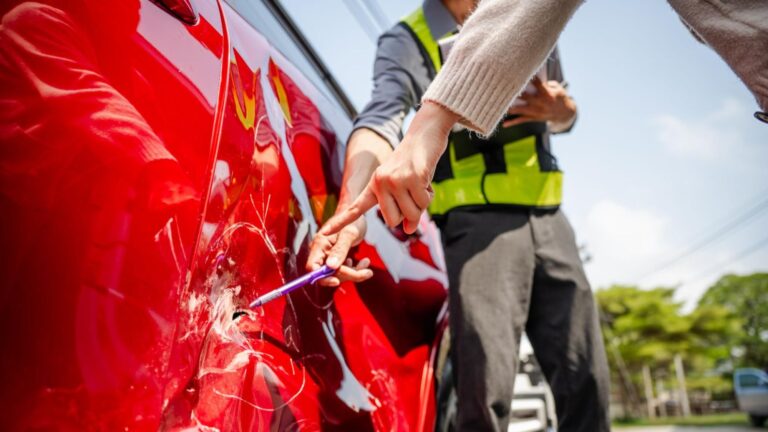
Photographs and videos of the scene can capture vehicle positions, skid marks, road conditions, and traffic signals. In busy areas like Miami or Fort Lauderdale, nearby surveillance cameras or traffic cameras may also provide valuable footage.
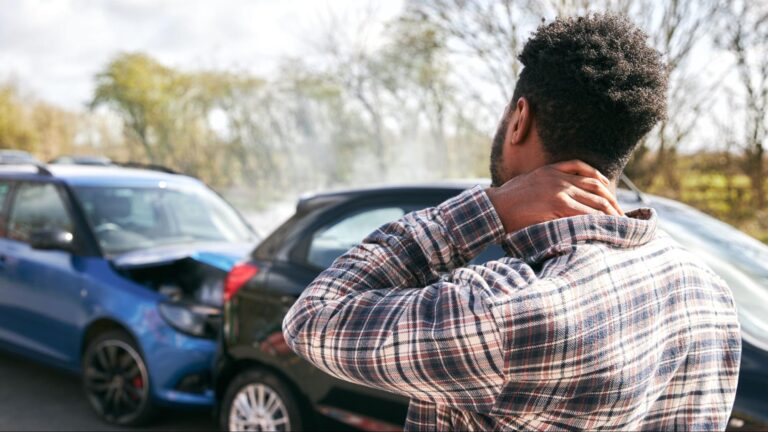
Medical documentation establishes the link between the crash and your injuries. Emergency room visits, follow-up appointments, and diagnostic imaging create a timeline that supports causation.
Additionally, independent witness statements can clarify disputed details, especially in intersection or multi-vehicle crashes.
When these pieces come together, they create a stronger and more complete picture of negligence.
Why Proving Negligence Can Be Challenging
Although many drivers believe fault is obvious, insurance companies often challenge claims. They may argue that:
- Weather conditions caused the crash
- Injuries were pre-existing
- Both drivers share responsibility
- The damage is minor
Accidents involving rental cars, rideshare drivers, or out-of-state visitors can further complicate matters. In Florida’s high-traffic tourist areas, determining liability is not always immediate.
Because of these complexities, many accident victims feel overwhelmed trying to navigate the process alone.
How Legal Guidance Can Help
Building a strong negligence case requires timely action. Evidence must be preserved, witness information documented, and medical records organized.
Witness memories fade, camera footage can be erased, and insurance companies move quickly to protect their interests.
This is where 844-324-HURT can help. By connecting accident victims with experienced Florida personal injury attorneys, they help ensure that negligence is properly established and that critical evidence is not overlooked.
Whether an accident happens in Miami, near Orlando’s theme parks, or along Tampa’s highways, having knowledgeable guidance can make the process clearer and more manageable.
What to Keep in Mind After a Car Accident in Florida
If you believe another driver acted negligently, take steps immediately. Document the scene, seek medical attention, obtain witness information, and follow up on official reports.
Proving negligence is not about assumptions. It is about evidence and careful documentation.
If you or someone you care about has been involved in a car accident in Florida and needs guidance, 844-324-HURT can help connect you with qualified attorneys who understand Florida accident laws and how to prove negligence effectively.
Frequently Asked Questions
What does negligence mean in a Florida car accident?
Negligence occurs when a driver fails to act responsibly and causes harm as a result. This can include speeding, distracted driving, failing to yield, or ignoring road conditions. To prove negligence, you must show duty, breach, causation, and damages.
How do you prove fault in a Florida car accident?
Fault is proven using evidence such as police reports, witness statements, photos, traffic camera footage, and medical records. These elements help demonstrate how the accident occurred and who was responsible.
Can I recover compensation if I was partially at fault?
Yes. Florida follows a comparative negligence system. You may still recover compensation, but your award could be reduced by your percentage of fault.
What evidence is most helpful in proving negligence?
Police reports, medical documentation, independent witness statements, and photographs from the accident scene are often the strongest forms of evidence.
How can 844-324-HURT help after a car accident?
844-324-HURT helps connect accident victims with experienced Florida personal injury attorneys who understand how to establish negligence and protect your legal rights.




 ES
ES  EN
EN