

Driving in Florida has always come with unique challenges. However, over the past few years, a combination of heavier traffic, unpredictable weather, and record tourism has made the roads even more dangerous.
From Miami to Orlando and Tampa to Fort Lauderdale, accidents are happening more frequently and often with more serious consequences.
Understanding why these risks exist and what to do if an accident happens can make a meaningful difference for drivers, visitors, and families across the state.
How Florida’s Climate Impacts Driving Safety
Florida’s weather plays a major role in traffic accidents. Sudden rainstorms, high humidity, and extreme heat all affect road conditions and driver behavior.
For example, heavy rain is one of the leading contributors to crashes in cities like Miami, Hollywood, and Fort Lauderdale. Roads become slick within minutes, visibility drops quickly, and hydroplaning becomes a real danger, especially on highways like I-95 and the Palmetto Expressway.
At the same time, rising temperatures can impact vehicles themselves. Worn tires, overheating engines, and brake issues are more common in extreme heat. Because of this, routine car maintenance becomes more than a recommendation. It becomes a safety necessity.
This is why many accidents could be prevented through defensive driving and proper vehicle care, especially during storm season and summer months.
Tourism and Seasonal Traffic Surges Increase Accident Risks
Florida welcomes millions of visitors each year. During peak seasons, such as winter holidays, spring break, and summer vacations, traffic volume increases dramatically.
Cities like Orlando, Miami Beach, Key West, and Tampa experience a mix of local drivers, rental cars, and tourists unfamiliar with Florida roads. Many visitors are not used to high-speed highways, complex interchanges, or aggressive traffic patterns.
As a result, common issues include:
- Sudden lane changes
- Missed exits and abrupt stops
- Distracted driving due to GPS use
- Rental car accidents
When accidents happen during vacations, people are often unsure of what to do next. This is especially true for out-of-state drivers who do not understand Florida insurance rules or accident reporting requirements.
Why Car Accidents in Florida Can Be Legally Complicated
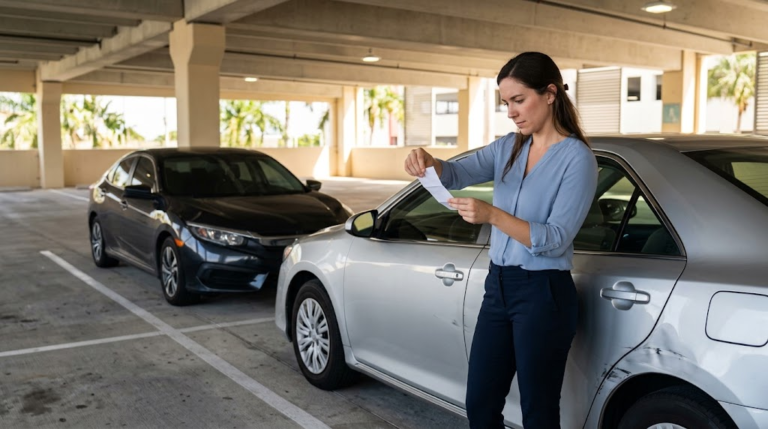
Even a minor accident in Florida can quickly become complicated. Florida follows a comparative negligence system, which means fault can be shared between drivers. This directly impacts compensation and insurance claims.
Additionally, delays in medical care or missing documentation can weaken a claim. Police reports, medical records, and timely insurance notifications are all critical.
In busy urban areas like Miami and Orlando, accidents often involve multiple vehicles, rideshare drivers, or commercial traffic. Each of these factors adds complexity to a personal injury case.
Because of this, many accident victims struggle not because they caused the accident, but because they did not know what steps to take early on.
The Rise of Fake Lawyers and Accident Scams in Florida
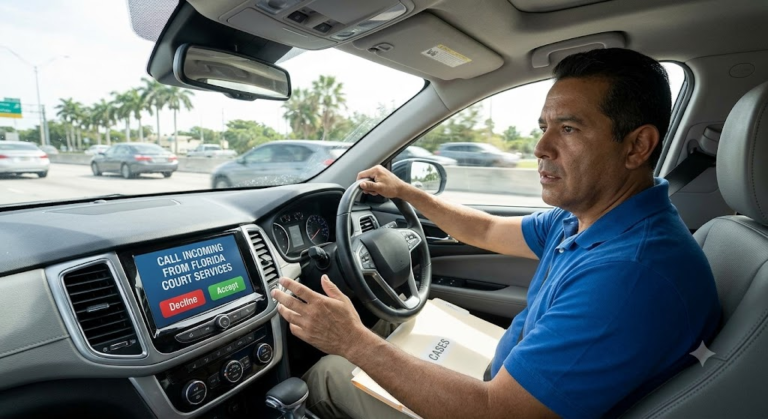
Another growing concern across Florida is the rise of fake lawyer calls and accident-related scams. Victims are often contacted shortly after a crash by individuals claiming to be attorneys or legal representatives.
These scammers may:
- Promise guaranteed settlements
- Ask for personal or insurance information
- Pressure victims to sign documents quickly
- Request upfront payments
This problem has been reported frequently in South Florida, particularly in Miami-Dade and Broward counties.
For accident victims who are injured, stressed, or unfamiliar with the legal system, these scams can cause serious financial and legal harm.
Knowing how to identify legitimate legal help is just as important as knowing your rights after an accident.
Why Knowing Who to Contact After an Accident Matters
After a car accident, timing matters. Medical care, documentation, and legal guidance all work together. Waiting too long or trusting the wrong source can affect your recovery and your claim.
This is where services like 844-324-HURT play an important role.
Instead of dealing with uncertainty or unsolicited calls, accident victims can be connected with qualified personal injury attorneys who understand Florida laws and local court systems.
This can be especially helpful for:
- Tourists injured while visiting Florida
- Immigrants who are unfamiliar with U.S. accident procedures
- Drivers unsure if their injuries qualify for compensation
- Families facing medical bills after a crash
Whether an accident happens in downtown Miami, near Orlando theme parks, or on the highways around Tampa, having access to legitimate legal guidance can help victims move forward with confidence.
Final Thoughts for Florida Drivers and Visitors
Florida’s roads reflect the state itself. They are busy, fast-moving, and influenced by weather, tourism, and growth. Accidents are not always preventable, but being informed makes a real difference.
By understanding how climate conditions, seasonal traffic, and legal requirements intersect, drivers and visitors can better protect themselves. Most importantly, knowing what to do and who to contact after an accident can help reduce stress during an already difficult time.
If you or someone you care about is involved in a car accident in Florida, taking the right steps early can protect both your health and your future.
Frequently Asked Questions About Car Accidents in Florida
Why are car accidents so common in Florida?
Car accidents are common in Florida due to a combination of heavy tourism, fast-growing cities, and challenging weather conditions. Sudden rainstorms, wet roads, and reduced visibility increase crash risks, especially in high-traffic areas like Miami, Orlando, and Tampa. In addition, many drivers on Florida roads are visitors who may be unfamiliar with local traffic patterns and laws.
What should I do immediately after a car accident in Florida?
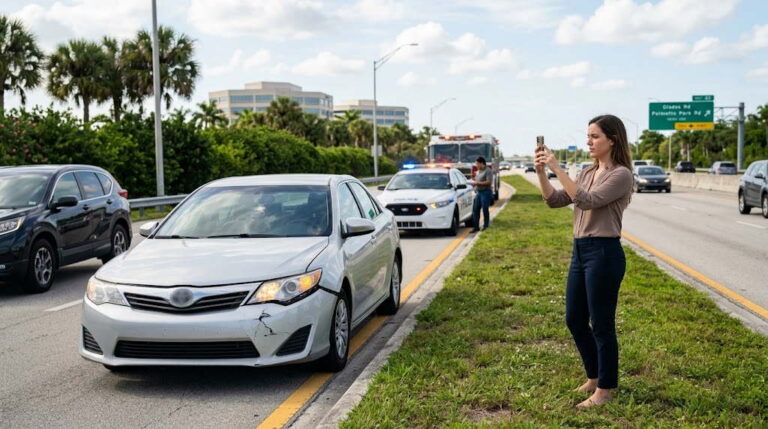
After a car accident, safety should come first. Move to a safe location if possible and call 911 to report the crash. Seeking medical attention is important, even if injuries seem minor at first. You should also document the scene, exchange information with other drivers, and avoid making statements about fault. A police report and medical records can be critical later.
Does Florida weather really increase accident risks?
Yes, Florida’s weather significantly impacts driving safety. Heavy rain can cause slick roads and hydroplaning within minutes, particularly on highways like I-95. Extreme heat can also affect vehicle performance, including tire pressure and braking systems. These conditions make defensive driving and proper vehicle maintenance especially important year-round.
What makes car accident claims in Florida more complicated than other states?
Florida uses a comparative negligence system, meaning fault can be shared between drivers. This can affect how much compensation an injured person may receive. Insurance requirements, medical documentation, and strict timelines also add complexity. Missing a step early on can reduce the strength of a claim, even if the accident was not your fault.
How can 844-324-HURT help after a car accident?
844-324-HURT helps connect accident victims with qualified personal injury attorneys who understand Florida laws and local procedures. This can be especially helpful for tourists, new residents, or anyone unsure about their legal options. Having access to legitimate legal guidance can help protect your rights and reduce stress during recovery.



 EN
EN  ES
ES