

The holiday season is one of the busiest times to travel by car in Florida. Families drive long distances to visit relatives, tourists arrive from across the country, and locals spend more time on the road shopping, attending events, and moving between cities.
While holiday road trips are common, they also carry higher risks than everyday driving. December is consistently one of the most dangerous months on Florida roads.
Congested highways, unfamiliar drivers, fatigue, and late-night travel all contribute to an increase in car accidents. This is especially true in cities like Miami, Fort Lauderdale, Orlando, Tampa, and Tallahassee, as well as on major highways connecting them.
Understanding why holiday road trips are riskier and knowing what to do if an accident happens can help protect your health and reduce long-term complications.
Why Holiday Road Trips Are Riskier Than Everyday Driving in Florida
Holiday driving is different from a normal commute. Many drivers spend hours behind the wheel, often on unfamiliar routes, and travel at times they would normally avoid. Long-distance driving between cities increases physical strain and mental fatigue, which slows reaction time.
Florida also sees a sharp increase in out-of-state drivers during the holidays. Visitors often rely heavily on GPS navigation, leading to sudden lane changes, missed exits, and abrupt stops. Rental vehicles are common in Orlando and South Florida, adding another layer of unpredictability.
Late-night and early-morning travel is also more frequent during the holidays. Drivers may leave after family gatherings or try to beat traffic by driving overnight. Fatigue combined with impaired drivers creates dangerous conditions, even for cautious motorists.
How Seasonal Travel Increases Crash Risk Across Florida

Seasonal travel creates conditions that make certain areas of Florida roads more hazardous, even for experienced drivers. During peak travel periods, risk increases not only because more vehicles are on the road, but because traffic patterns change in ways drivers may not anticipate.
In Miami and Fort Lauderdale, activity intensifies around airports, cruise terminals, retail districts, and entertainment areas. Roads in these zones often involve frequent merging, short signal cycles, and heavy pedestrian activity, which raises the likelihood of sudden stops and multi-vehicle collisions.
In Orlando, corridors surrounding theme parks and resorts experience concentrated traffic from drivers unfamiliar with local routes. Confusing interchanges and closely spaced exits create situations where drivers must make quick decisions, increasing the chance of collisions.
In Tallahassee and North Florida, extended interstate travel between cities becomes more common during seasonal travel periods. Longer driving times, higher speeds, and limited stopping points contribute to fatigue-related crashes, particularly during early morning and nighttime hours.
Travel Corridors and Counties With Elevated Crash Risk
Certain regions consistently experience higher crash activity during peak travel seasons. Miami-Dade, Broward, Orange County, and Hillsborough County combine dense local traffic with large numbers of visitors, increasing exposure to collisions.
Highways near airports, major retail centers, and interstate interchanges present added risk because they compress merging traffic, abrupt braking, and speed changes into short stretches of roadway. These conditions increase the likelihood of chain-reaction crashes and injuries, even when individual impacts seem minor.
The Most Common Holiday Road Trip Accidents in Florida
Holiday travel changes how and where crashes happen in Florida. Longer drive times, unfamiliar routes, and heavy congestion all influence the types of accidents seen most often during December road trips.
Rear-End Collisions in Stop-and-Go Holiday Traffic
Rear-end collisions are the most common type of car accident in Florida, accounting for roughly one out of every three crashes statewide.
During the holiday season, these accidents increase near shopping centers, toll plazas, highway exits, and airport corridors where traffic slows suddenly.
On holiday road trips, drivers often follow too closely after long hours behind the wheel or become distracted by navigation apps while searching for exits.
Even at lower speeds, rear-end crashes frequently result in whiplash, spinal strain, and shoulder injuries, which may not be immediately painful but can worsen over time.
Side-Swipe Accidents on Crowded Highways
Side-swipe accidents become more common during holiday travel, particularly on multi-lane highways like I-95, I-4, and the Florida Turnpike. Florida crash data consistently shows that unsafe lane changes are a leading cause of highway collisions.
During holiday road trips, drivers unfamiliar with local roads may make sudden lane changes after missing exits or rely too heavily on GPS instructions.
In areas like South Florida and Central Florida, where traffic density is already high, these last-second maneuvers significantly increase crash risk.
Side-swipe collisions often appear minor at first but can lead to loss of vehicle control, secondary crashes, or injuries caused by abrupt steering corrections.
Intersection and T-Bone Accidents in Unfamiliar Areas
Intersection crashes are among the most dangerous accidents on Florida roads, particularly during peak travel periods.
State and national traffic safety data show that side-impact collisions are more likely to result in serious injury compared to rear-end crashes because there is less protection on the sides of vehicles.
Holiday road trips increase intersection crash risk because drivers may be unfamiliar with local traffic signal timing, turning patterns, or road layouts.
Rushing to stay on schedule or attempting to beat yellow lights often leads to dangerous T-bone collisions, especially in busy metro areas and tourist corridors.
These crashes frequently cause injuries to the chest, hips, and head and often require longer recovery times.
Injuries That Often Appear Days After a Holiday Road Trip Accident

Not all injuries are immediately noticeable after a crash, especially during long holiday drives. Adrenaline can temporarily mask pain, and stiffness from hours of sitting can delay symptoms.
Common delayed injuries include whiplash, soft tissue damage, back strain, shoulder injuries, headaches, and concussions. Emotional symptoms such as anxiety, difficulty sleeping, and fear of driving may also appear days later.
Because these injuries develop gradually, many drivers underestimate their condition and delay medical care. This delay can make recovery more difficult and complicate insurance claims.
Why Delayed Symptoms Are Common After Long Drives
Extended time behind the wheel places strain on the neck, spine, and shoulders. A sudden impact during a road trip can worsen that strain, even if the collision seems minor. Symptoms may not fully appear until normal activity resumes or inflammation sets in.
Why Medical Timing Matters Under Florida’s 14-Day Rule
Florida law requires injured drivers to seek medical treatment within 14 days of a car accident to qualify for Personal Injury Protection benefits. Missing this deadline can result in denied coverage, leaving accident victims responsible for medical expenses.
Holiday schedules often make it harder to get appointments quickly, but delaying care can have lasting consequences. Early evaluation protects both your health and your ability to document injuries properly.
Legal Deadlines Can Pass Before Injuries Are Fully Understood
Florida now limits most car accident injury claims to two years from the date of the crash. Many people delay action during the holidays, assuming they have more time once life slows down. Unfortunately, waiting can lead to lost evidence, unavailable witnesses, and reduced options.
Understanding this timeline early helps preserve your ability to make informed decisions later.
How Insurance Companies Handle Holiday Road Trip Accidents
Insurance companies experience a surge in claims during the holiday season. Adjusters are often overloaded, which can slow communication and increase pressure to resolve claims quickly.
Some insurers may encourage early settlements before the full extent of injuries is known. Others may attempt to shift blame, especially in heavy traffic situations where fault is unclear.
Florida follows a modified comparative negligence rule. If a driver is found more than 50 percent responsible for an accident, they cannot recover compensation.
Even partial fault can reduce recovery, which makes documentation and timing especially important after a holiday crash.
Avoiding Scams After a Seasonal Travel Accident
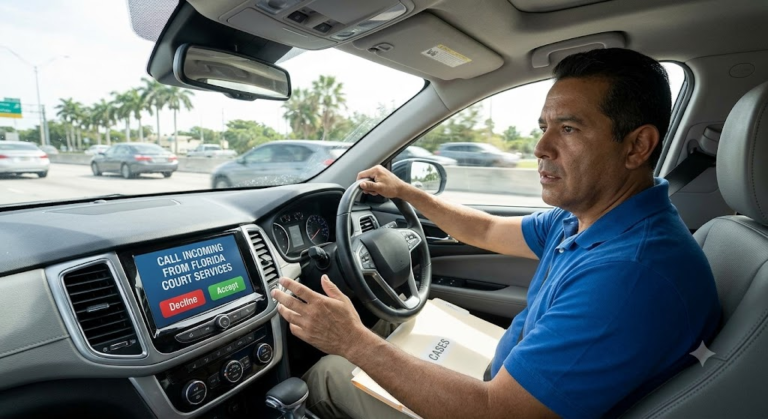
After a traffic accident during peak travel periods, some drivers are contacted by people claiming to help with medical care, vehicle repairs, or injury claims. These contacts often happen quickly and without being requested, particularly in large metro areas like Miami and Orlando.
Common tactics include fake injury lawyer calls asking for upfront payment to “start a claim,” attorney impersonation scams using stolen logos or bar numbers, false promises of guaranteed settlements or instant compensation, and requests for sensitive personal information such as Social Security numbers, medical records, or insurance details.
Be cautious of anyone who pressures you to sign docuqments immediately, discourages you from speaking with your insurance company, or insists on urgent action without allowing time to verify credentials. Taking a moment to confirm information and seek guidance from trusted sources can help prevent costly mistakes.
Get Clear Guidance After a Holiday Car Accident in Florida
Holiday road trips can be unpredictable, even for careful drivers. If you or someone you love is injured in a car accident during the holiday season, getting accurate information early can help you avoid common mistakes with medical care, insurance claims, and legal deadlines.
If you have questions about what steps to take after a Florida car accident, you can call 844-324 HURT to speak with a knowledgeable team that understands Florida accident laws, insurance timelines, and holiday travel risks across cities like Miami, Fort Lauderdale, Orlando, and Tallahassee.
There is no obligation to move forward. The goal is to help you understand your options so you can make informed decisions about your health and next steps.
Why Choose 844-324-HURT After a Car Accident During the Holiday Season
After a holiday car accident in Florida, having the right legal support can prevent costly mistakes and protect your health, finances, and long-term recovery.
When you reach out to 844-324-HURT, you’re immediately connected to experienced Florida attorneys who understand how holiday travel, tourist traffic, and local insurance practices affect car accident claims.
- Local expertise in Florida’s no-fault system
- Familiarity with Miami-Dade, Broward, Palm Beach, and major tourist zones
- Protection from insurance company strategies
- Clear explanations of your options and your legal rights
- No upfront fees – you only pay if your case is settled
- 24/7 availability for urgent questions
FAQs Holiday Road Trip Safety and Florida Car Accident
What is the new law in Florida for car accidents?
Florida made major changes to its personal injury laws in recent years. One of the most important updates is the two-year deadline to file a car accident lawsuit. Previously, injured drivers had four years. Now, if you wait more than two years from the date of the crash, you may lose your right to pursue compensation entirely. This change makes it especially important to act quickly after a holiday car accident, even if your injuries seem manageable at first.
What month do most car accidents occur in Florida?
December is consistently one of the most dangerous months for driving in Florida. Increased travel, crowded shopping areas, holiday parties, and fatigue all contribute to higher accident rates, particularly in major metro areas like Miami, Orlando, and Tampa.
Which county in Florida has the most car accidents?
Counties with the highest population and tourism tend to see the most crashes. Miami-Dade, Broward, Orange County (Orlando), and Hillsborough County (Tampa) frequently report the highest number of car accidents each year. Holiday traffic significantly increases congestion in these areas, especially near airports, shopping centers, and highways.
How long do most car accident settlements take in Florida?
There is no fixed timeline, but many Florida car accident claims take several months to over a year, depending on injury severity, medical treatment length, and insurance cooperation.
Holiday accidents can take longer due to claim backlogs, delayed medical appointments, and overwhelmed insurance adjusters.
What is the 51 percent rule in Florida?
Florida follows a modified comparative negligence rule. If you are found more than 50 percent at fault, you cannot recover compensation. If you are 50 percent or less at fault, your compensation may be reduced by your percentage of responsibility.
This is especially relevant in holiday crashes where insurance companies may try to shift blame quickly.
What is the hardest injury to prove after a car accident?
Soft tissue injuries such as whiplash, back pain, and neck injuries are often the hardest to prove because they do not always appear on imaging tests. Anxiety, emotional distress, and post-accident stress can also be difficult to document without proper medical and professional evaluation. Early treatment and documentation are critical to protecting these claims.
How much compensation can you get for anxiety after a car accident?
Compensation for anxiety or emotional distress depends on the severity of symptoms, medical documentation, and how the condition affects daily life. Anxiety claims are often tied to physical injuries and supported by medical or mental health treatment records.
Insurance companies frequently challenge these claims, especially after holiday accidents, which makes proper documentation essential.
Are Christmas and New Year’s more dangerous than Thanksgiving for Florida drivers?
Data shows that Christmas and New Year’s often see higher rates of fatal accidents than Thanksgiving. While Thanksgiving involves heavy daytime travel, Christmas and New Year’s include more late-night driving, alcohol-related crashes, and fatigue. This makes winter holiday road trips particularly risky across Florida.
How can you avoid car accident scams after a holiday crash?
After a holiday accident, some victims receive calls from unverified medical clinics, repair shops, or so-called accident helpers. These are common in large cities like Miami and Orlando. Avoid anyone who pressures you to sign documents quickly, promises guaranteed settlements, or contacts you before you speak with your insurer or a trusted professional.
What is Florida’s 14-day rule for car accident insurance claims?
Florida’s 14-day rule requires injured drivers to seek medical treatment within 14 days of a crash to qualify for Personal Injury Protection benefits. If you miss this window, your insurance company can deny coverage.
Some people confuse this with a 90-day rule, but the most critical deadline after a Florida car accident is the 14-day medical requirement.
How can 844-324-HURT help personal injury victims after a car accident?
844-324-HURT connects personal injury victims with experienced Florida attorneys who handle car accident and injury cases. These lawyers can review your case, explain your rights, handle insurance negotiations, and help you pursue fair compensation for your injuries and losses.



 EN
EN  ES
ES